 Formula 1
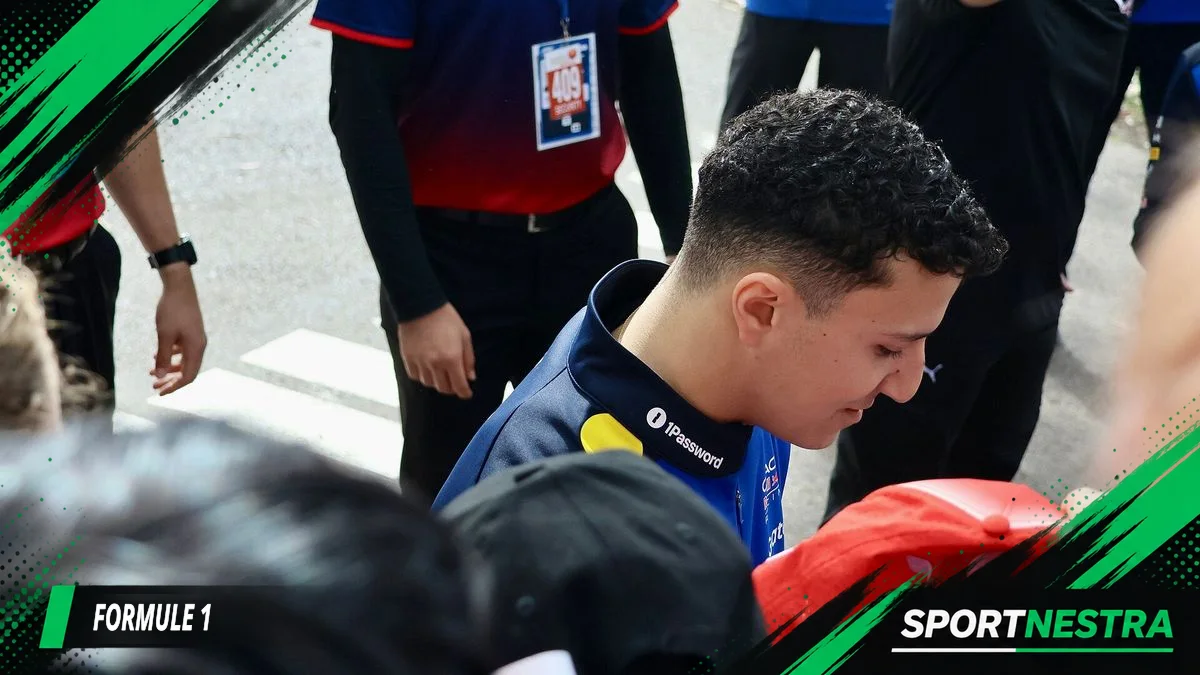
Isack Hadjar furious after a run of mechanical problems in Singapore
Knocked out in Q1 after retiring from the sprint, Isack Hadjar voiced his frustration with his car’s problems and the limited time to work on it.
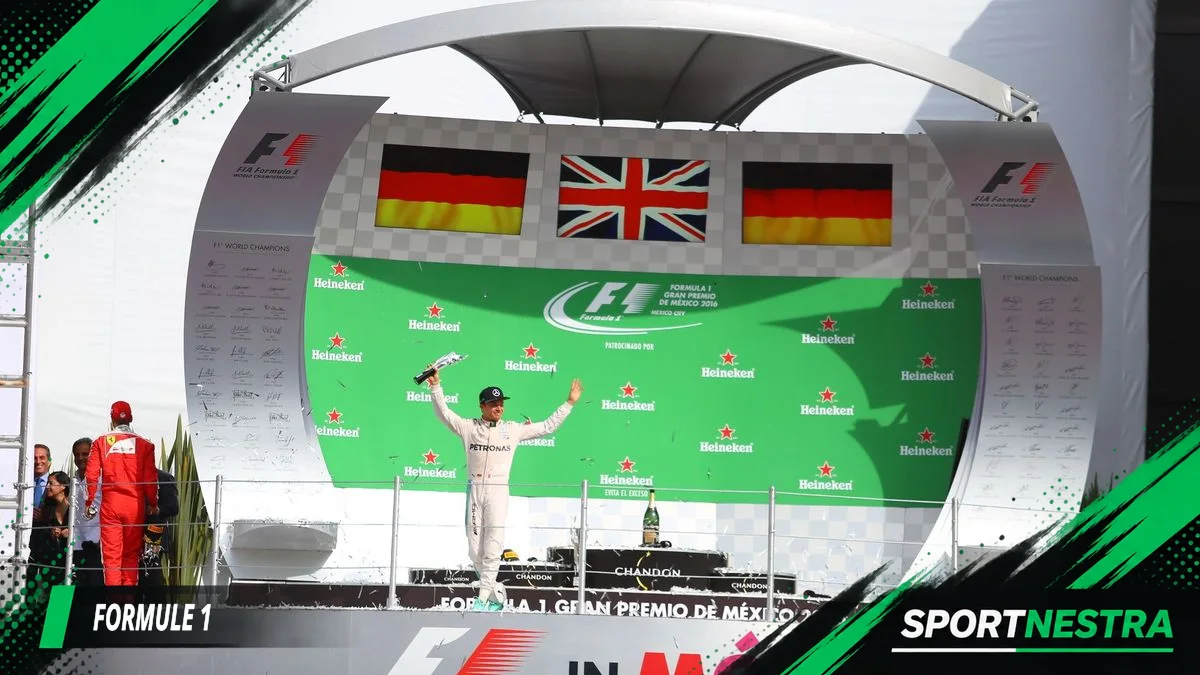
Photo: Wikimedia Commons (free licence), cropped and styled by SportNestra — author and licence
The FIA admits that fairness was compromised in sprint qualifying at the Singapore Grand Prix. Nikolas Tombazis, the federation’s single-seater director, called the incident “the worst thing” for the organisation: in his view, the problem affected the first session’s results and did not affect all drivers equally.
The sequence began after a red flag caused by Sergio Perez’s crash. At the end of SQ1, race control initially failed to reactivate overtake mode. It was then switched back on for 27 seconds before being deactivated again. Drivers were left wondering why they lacked power. Those eliminated in that first phase felt they had been unfairly disadvantaged.
Speaking to Sky Germany, Tombazis noted that “there are a lot of things happening in race control simultaneously.” He explained that restoring the mode is normally a manual process, because officials first need to check that it is safe to do so. That procedure, required for safety reasons, contributed to the difficulty of the situation.
A pop-up alert appeared on a computer but was not handled quickly enough. Tombazis said the necessary action was then forgotten amid time pressure and other demands. Drivers’ complaints prompted officials to investigate promptly and check whether another issue was involved. They eventually identified the source of the problem, but an erroneous decision then led to the mode being briefly switched on before it was deactivated again.
“It was a bit of a mess, quite frankly,” Tombazis acknowledged, referring to the impact on the competitive order. “We’re not happy about it, because it affected some drivers more and some drivers less.” He added that the FIA believed the problem had interfered with the results of the first sprint qualifying session. For the federation, he said, an unfair or incorrect result conflicts with its priorities of safety and fairness.
Tombazis also recognised that human mistakes can happen in a complicated job. He stressed the need to analyse what went wrong and take steps to prevent a repeat. The FIA, therefore, says it must learn from a sequence that it acknowledges affected the competition.
Formula 1Knocked out in Q1 after retiring from the sprint, Isack Hadjar voiced his frustration with his car’s problems and the limited time to work on it.
 Formula 1
Nikolas Tombazis acknowledged that mistakes in managing overtake mode affected fairness in the first phase of sprint qualifying in Singapore.
 Formula 1
A year after the 2025 incident, another collision between Norris and Piastri has renewed questions about how McLaren will protect the team’s interests.
 Formula 1
After retiring from the sprint, George Russell said his own mistake shaped his day and may have hindered his qualifying performance.
Comments