Fernando Roig admits the strain of a Liverpool night
By SportNestra Editorial Team
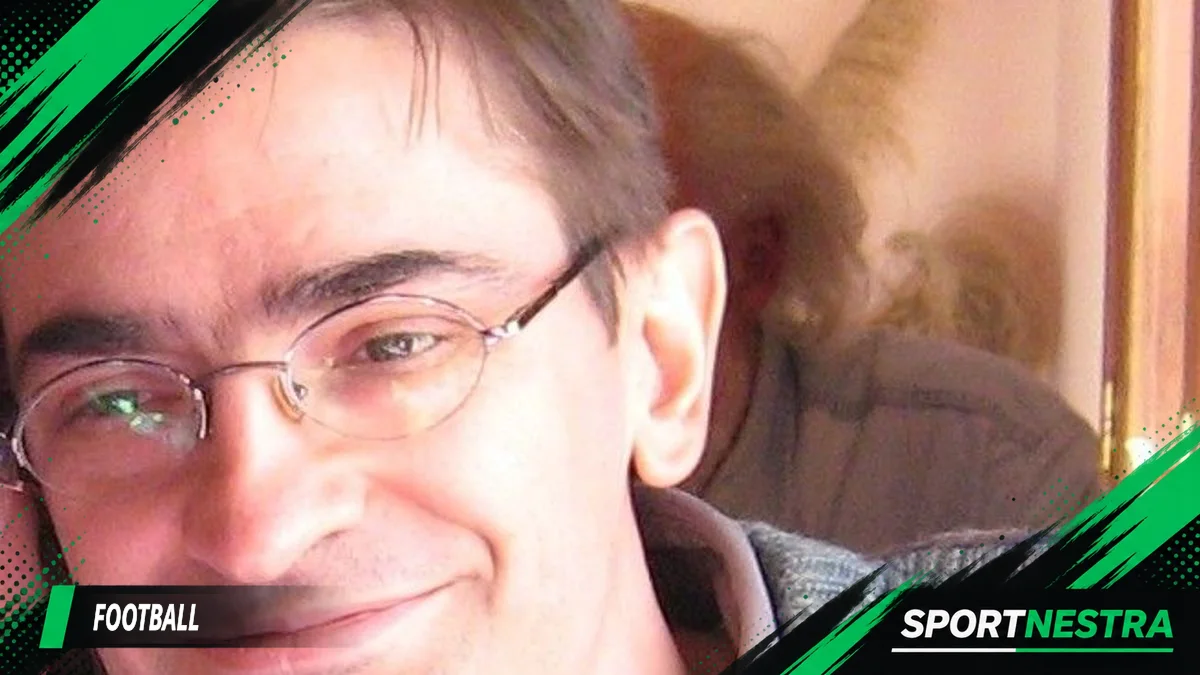
Fernando Roig sold 2.4% of his 9% stake in supermarket Mercadona to balance the books. The Villarreal owner also describes the strain football places on him, with a Champions League match against Liverpool approaching: “I don’t get nervous. It’s worse: I get worried, very anxious. I suffer a lot.”
The day after Villarreal’s Champions League victory over Napoli, Roig spoke from the offices of Pamesa, the ceramics company he owns. He takes little pleasure in matches, even after nearly 30 years as club president. The Liverpool fixture has particular significance: it will be the fifth meeting between the teams and the third at Anfield. The other two were European semi-finals.
“It’s emotional to play Liverpool,” he says. His schedule includes the team’s morning training session, a meal and the journey to the match. The following day, he plans to watch the under-19s, which he enjoys, before the first team’s game, which he dreads. “It’s very stressful,” he says. Once the match is over, he can enjoy the result, but the worry returns with the next fixture: “Until Elche comes on Saturday and it’s time to suffer again.”
Roig connects that tension to what the club means to local people. “When the game ends, there’s that satisfaction: the town, the province, have enjoyed it and admire their team. It’s about community. People pay to come and watch a game. They want to enjoy it, and we want to give them that.” He recalls his first match as president, a 3-0 defeat by Badajoz at a half-empty second-division ground. “I remember that Badajoz match, thinking: ‘So this is how it starts.’”
At the time, Villarreal had no training ground and played at a stadium with fewer than 4,000 places, he says. The club’s initial priorities included building a squad capable of promotion, finding facilities and creating an academy. Roig also emphasises his local ties: his factories are in places including Almassora, Onda and L’Alcora. He says he wanted to contribute to the Castellón area, where, in his account, Spain’s ceramics production is concentrated.
His work as an executive also extended to basketball. Since 1986, he had been involved with Pamesa Valencia, which he took from the second tier to the ACB. He chaired both clubs for a period, but says the roles could not be combined. At the time Villarreal were playing Numancia, he recalls winning the basketball Copa del Rey.
The club has been promoted three times and relegated twice, Roig says. The second relegation, in 2012, left a deep mark: Villarreal began that year in the Champions League before losing its top-flight place in the final minute of its last match. Players had to be sold and the club rebuilt. Roig says survival remains the first priority each year, with “42 points and it’s time to raise a toast”, even though Europe is the minimum ambition.
He describes financial sustainability as a guiding principle: Villarreal cannot match the biggest clubs’ wages and must spend what it generates. He considers the club worth more than the investments discussed in the interview, while acknowledging he has not calculated the full figure. The stadium has been expanded and now holds more than 23,000. Roig adds that his son Fernando, a club executive, now handles decisions, leadership and execution. He says the club has become what they imagined, in a city of 52,000 people.
Comments