Nice refuses to retire its live eagle despite PETA’s request
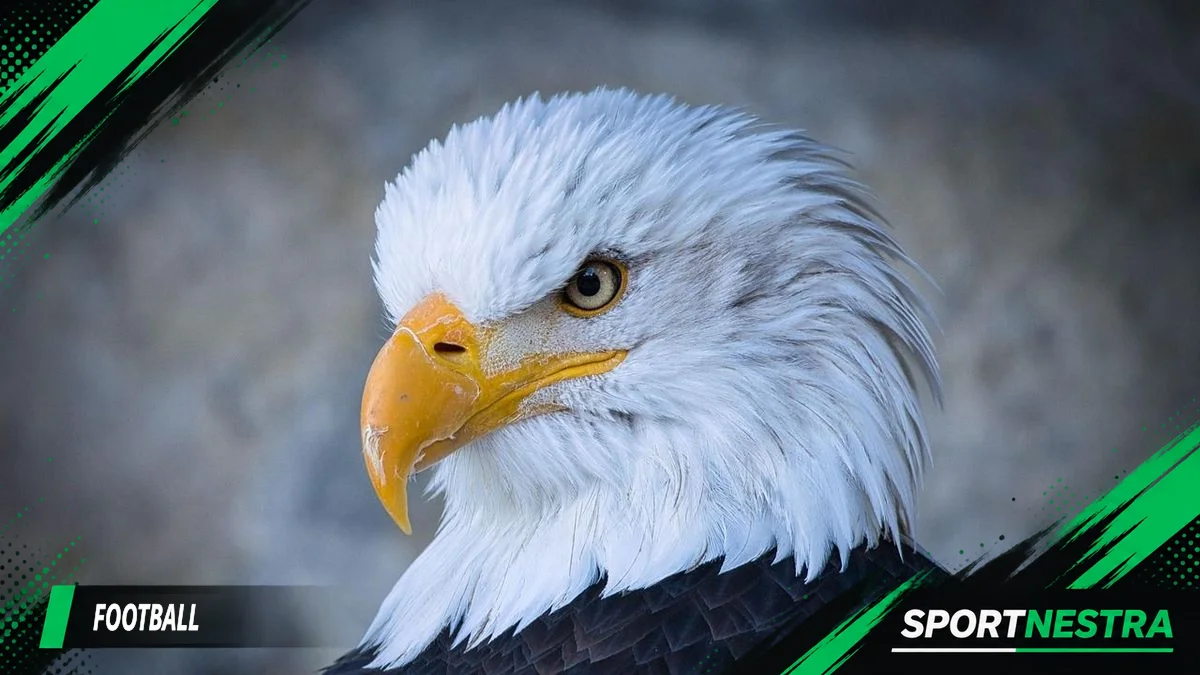
Nice’s Gym refuses to part with Mèfi, its live eagle, despite pressure from animal-rights advocates. PETA asked OGC Nice to stop flying the bird during pre-match entertainment. The club responded quickly and is keeping its mascot, whose wings supporters are used to seeing spread above the Allianz Riviera on match nights.
The association wants Mèfi sent “to a sanctuary suited to his needs” and wants the club to commit to no longer using live animals for entertainment. PETA also argues that the tradition has no place in a stadium. To support its position, the organisation points to the commotion around matches: “Lights, shouts, chants, frantic movement… A stadium packed with thousands of supporters is the opposite of the environment an eagle needs.” It adds that such conditions can frighten and disorient birds, leaving them exposed to unpredictable situations.
PETA points to fictional mascots used by other French clubs: Germain le Lynx at Paris Saint-Germain, Riri and Lili les Canaris at FC Nantes, and Lyou and Lyonna, the Lions of Olympique Lyonnais. The association contrasts the entertainment value of a costumed mascot with the needs of a living animal.
Maurice Cohen, president of OGC Nice, quickly rejected the request in a letter to the director of PETA France. He defended the eagle’s place, describing it as a symbol of the heritage of the City and the club, and of the attachment of several generations of supporters: “Mèfi embodies a symbol deeply rooted in the heritage of the City and the club, and in the attachment of several generations of supporters.”
Cohen also considers the pre-match display compatible with animal welfare. He says Mèfi has particularly favourable living conditions outside an average of around twenty appearances a year, during which the eagle is accompanied by a professional falconer with the necessary certificates of competence. The disagreement is therefore about both the place of a live animal in stadium entertainment and the symbolic value the club attaches to its mascot.
Read this article in: Français · العربية
This article was prepared with the help of artificial intelligence tools from the identified sources cited above, then put through automated checks (facts, figures, names, sources). Reported errors are checked and corrected. Our method
Follow SportNestra on FacebookFollow SportNestra on XReport this content

Related articles
- Pochettino urges Manchester United to show no fear against Liverpool19 November 2026
- Gonzalo García loves the closeness of the fans at Craven Cottage19 November 2026
- Kompany returns to Bayern bench after a month of rest19 November 2026
- Barcelona announce squad for Champions League meeting with Servette19 November 2026
Comments