After Jesús de Miguel’s death, Galán explains Andorra goalkeeper’s criminal liability
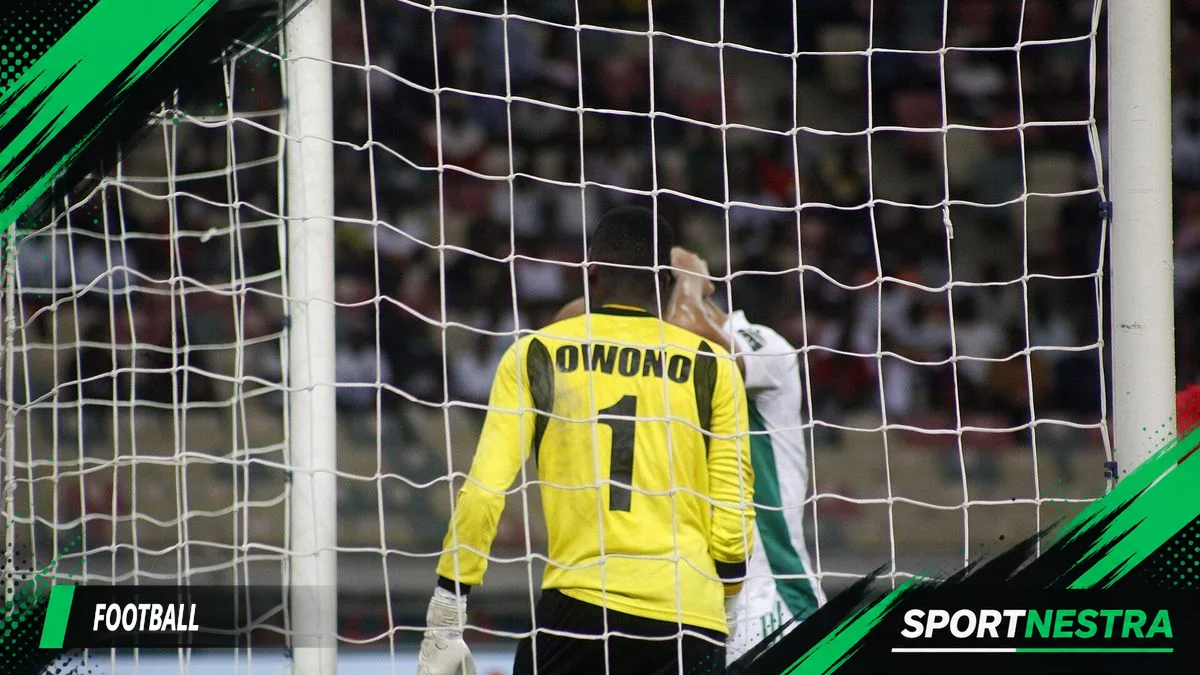
The death of Tenerife striker Jesús de Miguel after a serious injury in a second-division match against FC Andorra has placed the question of goalkeeper Jesús Owono’s criminal liability under scrutiny. Galán, a lawyer and legal expert, has explained that the tragic outcome does not automatically settle the matter: the challenge and the circumstances in which it occurred must be examined, including its connection to play.
Galán said he had received numerous questions on his social media accounts about the possibility of taking legal action against the goalkeeper. The collision during the match injured De Miguel; his condition later deteriorated, and he died at about 30 years of age. The gravity of what followed helps explain the attention given to the possibility of proceedings, but it does not, by itself, amount to a legal conclusion about Owono’s conduct.
To set out the factors to be considered, Galán referred to ruling No. 379/2025 of the Court, issued on April 30. In his analysis of the decision, he stressed that criminal assessment does not depend solely on the severity of the consequences. The nature of the intervention and its setting must also be considered: in particular, whether it belonged to the sporting action or crossed its limits. Put another way, the outcome of a collision and the legal character of the challenge are separate questions in the lawyer’s analysis.
Galán also cited a decision by the provincial court of Santa Cruz de Tenerife on risks associated with sport. In a contest for the ball, forceful contact, collisions that are difficult to avoid and fouls committed in play may fall within the risks participants accept. The assessment is different if an act is detached from the course of the match. That distinction helps explain why a serious injury, on its own, is not enough to establish that a challenge gives rise to criminal liability.
“The principle established by the Supreme Court says that excesses in play are subject to sporting sanctions, not criminal sanctions,” Galán said. His statement is not a ruling on Owono’s case; it sets out the legal framework he considers relevant. De Miguel’s death therefore does not automatically mean that the goalkeeper will face criminal proceedings. The assessment depends on the nature and circumstances of the intervention and on how far it may have departed from the usual risks of football.
This article was prepared with the help of artificial intelligence tools from the identified sources cited above, then put through automated checks (facts, figures, names, sources). Reported errors are checked and corrected. Our method
Follow SportNestra on FacebookFollow SportNestra on XReport this content
Related articles
- Kooora interview with Mustapha Hadji draws international attention3 November 2026
- Liverpool lose Ryan Gravenberch before Fenerbahçe clash3 November 2026
- Four Real Madrid-linked players among FIFPRO World11 finalists3 November 2026
- Maurice Watkins contacts Paul Parker’s agent as Tottenham and Manchester United vie for his decision3 November 2026
Comments