Mercedes confirms its upgrades made the W17 harder to drive
By SportNestra Editorial Team
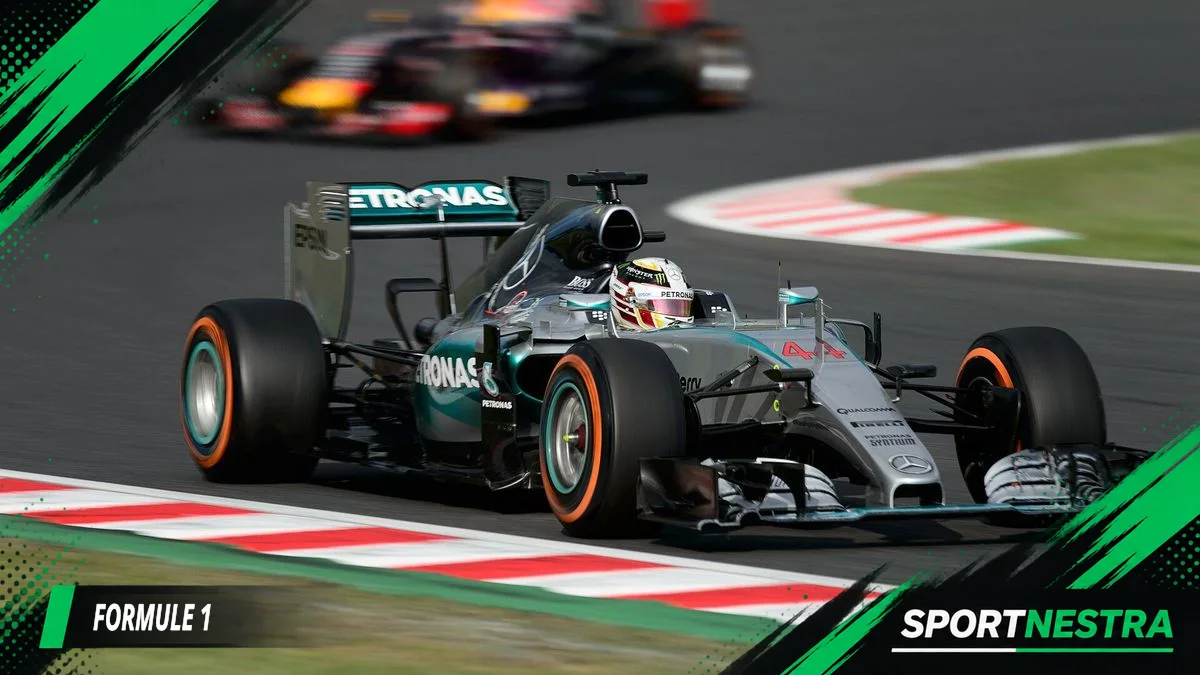
Mercedes has confirmed that its upgrades shifted the W17’s aerodynamic balance and made the car significantly harder to drive. The Singapore Grand Prix weekend gave the team its first concrete clues to understanding the car’s new behaviour, after leaving Sepang with more questions than answers.
Despite the sprint format, the reopening of parc fermé and the choice to run different configurations on the two cars gave Mercedes an opportunity to experiment and gather data. The team could examine the effects of its new package. Deputy technical director Simone Resta said the aim had been to deliver more performance and downforce, and that the team had measured an increase in downforce.
The difficulty, he explained, is that the extra downforce does not appear in the same way in every situation on track. The car’s balance can therefore change, requiring the driver to adapt. Resta also noted a stronger front end than before, perhaps more than expected. “So you need to re-centre the window in which we operate the car. And it takes some time,” he said, while pointing to potential that remains untapped in the new specification.
A shift in balance was partly expected after the floor and sidepod changes introduced at Sepang. Mercedes had achieved the downforce it wanted, but the gains were not consistent across all operating conditions. As a result, the W17 became less forgiving outside its ideal window, forcing the team to rethink both its set-up and how the car is driven.
Alongside its power unit, Mercedes’ ability to accelerate effectively out of low-speed turns often made it competitive and set the standard at stop-and-go circuits. At Sepang, the updated W17 struggled more than usual in those sections. To compensate for understeer, drivers can add steering input, putting more load on the front tyres, or use the throttle to help rotate the car. Antonelli reported persistent mid-corner understeer during the Malaysia and Singapore weekends.
After the sprint race in Singapore, Mercedes made a substantial set-up change. Bradley Lord also described a car that was initially oversteery and difficult to drive in the wet sprint: as the front tyres wore, the balance improved and Kimi began producing fast sectors at the leaders’ pace.
For Austin, Mercedes plans to bring back the front wing tested in Singapore to recalibrate the package. “We just have to re-centre the window,” Resta said. Wolff, meanwhile, said the team probably wanted to run the new cars in Austin. Both drivers believe the change could be beneficial there, he reported, and Mercedes also sees it as a useful direction for next year.
Comments